Dentures
Periodontal diseases in Lincolm CA, tooth decay or trauma can lead to loss of
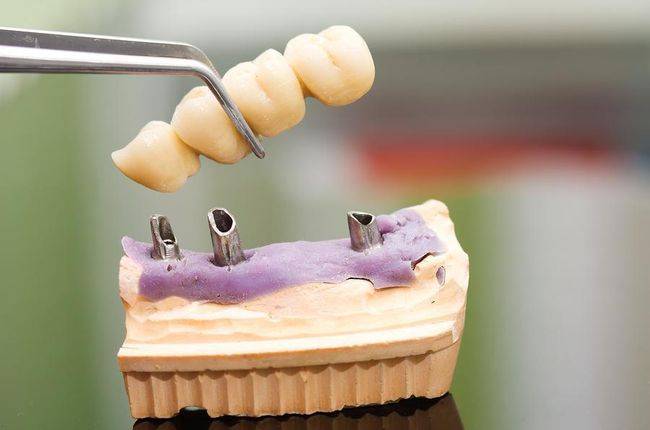
teeth. Dentures are intraoral prosthesis fabricated to replace
these missing teeth. Dentists all around the world recommend
dentures because they:
- Improve mastication or chewing which leads to better nourishment.
- Add aesthetic value to your smile and instill self-esteem.
- Improve speech by restoring the anterior teeth.
- Support the facial contour by supporting your lip and cheeks.
The dentist takes a series of impressions of both your mandibular
and maxillary arch and monitors the space between the jaws. Using
the impressions, a wax model is cast in the exact shape and
position of the denture to be made. You will be asked to try this
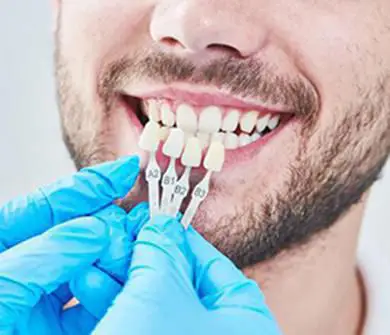
model for the assessment of perfect color, shape, and
size.
Dentures are fabricated in a dental laboratory using acrylic due
to its resemblance to the intra-oral tissues and gums. Synthetic
fibers and coloring agents are added to obtain the desired shade.
Necessary adjustments are ensured by the dentist. When the denture
is ready, it is placed in your mouth to restore your missing
teeth.
Types of Dentures
Complete Dentures
A complete denture is used when all the teeth are missing. After
all the teeth have been pulled out, the gums take 8-12 weeks to
heal. An immediate or temporary denture is provided by the dentist
to preserve the facial bone structure. After the gums have healed
a permanent denture is used to restore the missing teeth.
Partial Dentures
A partial denture is indicated for the replacement of missing
teeth by using the
remaining teeth to “clasp” or “anchor” on to. Just like a
complete denture, the partial denture is
removable, and should be taken out at night before going to bed.
Implant supported vs removable dentures
Implant supported dentures
- Feel and function like your natural teeth
- Preserves the facial bone structure
- Provides a firm support to the lips and cheeks
- Dental creams or adhesives are not required
- Strong and resilient-without any slippage
Removable Dentures
- Do not feel or work like your natural teeth
- Facial bone structure resorbs with time
- The provided support decreases with time
- Dental creams and adhesives are often required
- Need to be remade and relined eventually
- Unstable and unreliable compared to implant supported dentures
How to take care of your Denture?
- Brush your denture regularly with soft bristle toothbrush.
- Use a non-abrasive cleaner.
- Put your denture in a safe place and cover it with water to prevent warping. Do not use hot water.
- Maintain good oral hygiene to avoid plaque formation.
- If your denture chips, cracks or becomes loose, visit your dentist. Do not try to adjust it yourself.